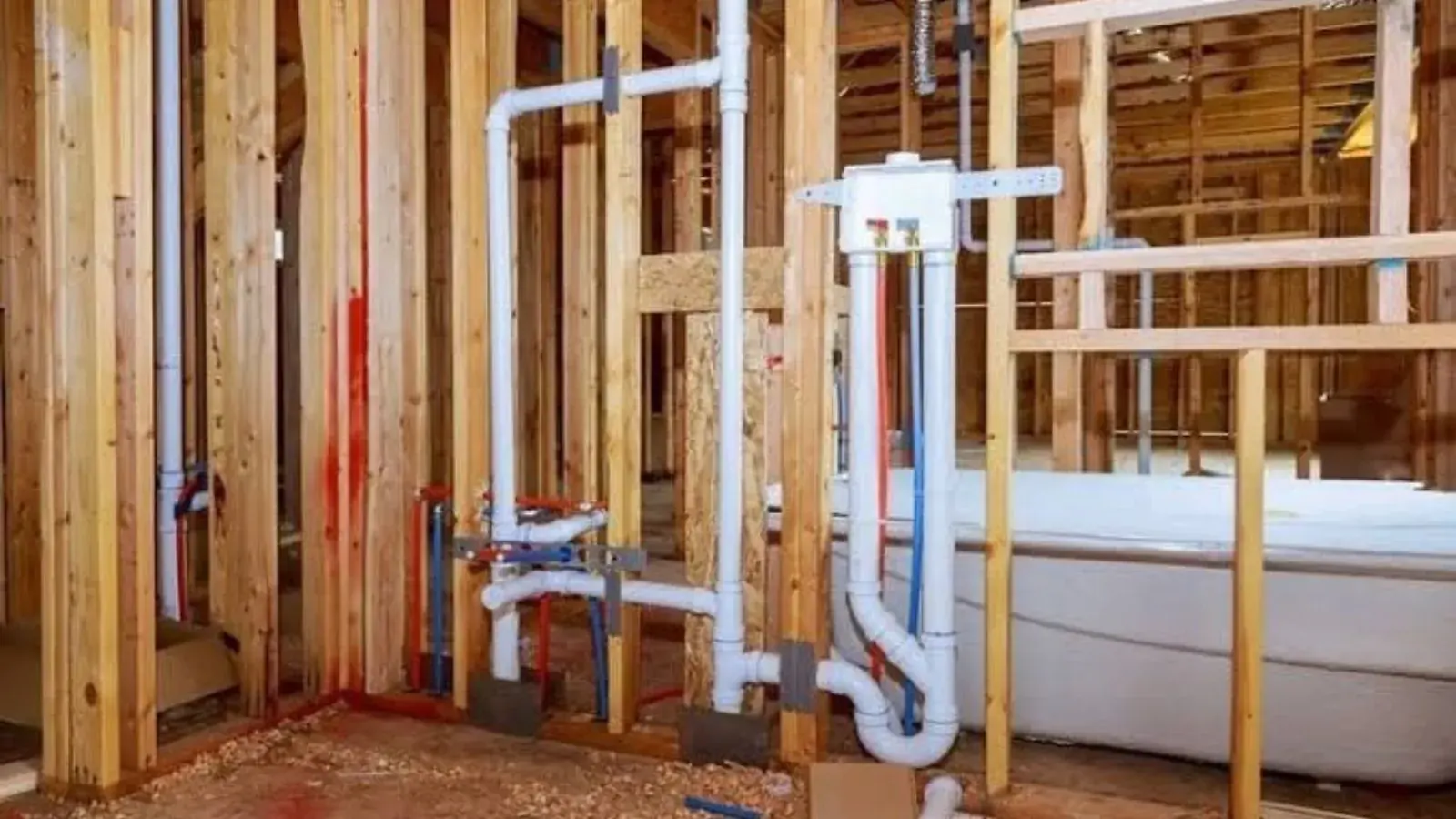
What plumbing installation includes
Plumbing installation means putting in new plumbing, as opposed to repairing what is there. Typical jobs include sinks, tubs, shower valves, toilets, washing machine boxes, new water lines and the supply and drain rough-in behind a wall. Licensed plumbers do the work, and some of it needs a permit.
If a fixture is leaking now, the problem is repair, not installation. Urgent cases go to burst pipe repair. This page is for planned work that you want done right.
Planning for an older building
Union City's housing runs from brownstones and two-family houses to apartment buildings, and its density is among the highest in New Jersey. That affects installation in practical ways. New fixtures usually tie into existing shutoffs, shared stacks and old branch lines, and none of that is visible until the plumber looks.
Before adding a bathroom or moving a sink, find out where the building's shutoffs are, whether a shared stack runs through the wall and how to reach the pipes. Ask the owner or super before you plan anything in a rented unit. The plumber checks what the existing pipes can support, and may recommend repiping if the lines are too worn to extend.
Permits and inspections
New Jersey's Uniform Construction Code generally requires a construction permit for plumbing work on existing buildings, and routine repairs are the exception. For a one or two family house, there is a midpoint inspection of rough piping and a final inspection of piping, trim and fixtures. The local office has to act on a complete application within 20 business days.
Rules differ by project, so ask the Union City construction office what yours needs. Ask who files the application, and schedule the inspections before the walls close.
Working with a plumber, a contractor or a GC
On a remodel, a general contractor may hire the plumber, or you can hire the plumber directly. Either way, confirm that the person doing the plumbing is licensed. In New Jersey, plumbing may be done only by a master plumber or an authorized plumbing contractor, or their employees, and you can ask for the license number and check it with the state board.
Decide who orders fixtures, who is on site for inspections and who patches walls. A plumber does not do tile, drywall, carpentry or electrical work, and those trades should be booked around the plumbing schedule.
Common installs and what to prepare
| Install | What to have ready | Watch for |
|---|---|---|
| Kitchen or bath sink | Faucet, sink, drain kit and cabinet clear of items | Old stop valves that may need replacing |
| Tub or shower valve | Valve trim chosen early and tile plan settled | Wall access and the position of the old valve |
| Toilet | Toilet with known rough-in, wax ring and supply line | Flange condition and floor level |
| Washing machine box | Location picked and drain nearby | Drain slope and venting |
| New water line | Route agreed with the owner | Pressure, pipe size and the shutoff plan |
| Rough-in for a new bath | Layout drawing and fixture list | Shared stack, permit and inspection timing |
New construction plumbing
New construction plumbing is built in stages. The plumber runs drain, waste and vent pipe and the supply lines, called the rough-in, before the walls are closed. After the midpoint inspection the walls go up, then fixtures are set and tested at the trim and final stage. New construction in Union City runs on the same permit path, and the plumber coordinates with the contractor on timing.
Kitchen and bath remodel sequence
Plumbing sits in the middle of a remodel. Demolition comes first, then the rough-in, the inspection and the wall closing. Tile and cabinets come next, and the plumber returns for fixtures and a final test.
If you reschedule the plumber, the tile setter and the inspector, the whole project slips. Order fixtures early, because long lead times on a shower valve or vanity can stall a job. A leak found during demolition is also a good time for leak detection before the new wall goes up.
Fixtures that interact: disposals, toilets and drains
A new sink often brings a new drain connection. If the kitchen gets a disposal, see garbage disposal repair for the electrical and drain notes. A new toilet needs a sound flange, and the toilet repair page covers that detail.
What plumbing installation costs
Installation prices depend on the job, and we state a clear price before work starts. These factors drive the total:
Insurance does not cover planned upgrades. It may cover sudden water damage caused by a failed installation, so keep the invoice and permit records. We do not offer financing on this page.
Want your real number? Call and describe the job.
Call (551) 249-3045How an installation job runs
The steps depend on the project, but the order is the same.
Call and describe
Tell dispatch what you want installed and the type of building.
Look and plan
The plumber checks shutoffs, pipes and access, and gives a clear price before work starts.
Rough-in and inspect
Piping goes in, then the permit inspection happens before walls are closed.
Set fixtures and test
Fixtures are installed, tested and checked for leaks and drainage.
Ready to plan your installation?
Call (551) 249-3045 and a dispatcher will book a licensed plumber to look at your project. We take same-day appointments when available.
Planning beyond one room
If the install exposes tired pipe, ask about repiping while the walls are open. We also work in North Bergen and take installation calls there on the same terms.
Plumbing installation questions in Union City
New fixtures, sinks, tubs, shower valves, washing machine boxes, supply and drain rough-in and new water lines. Repairs to existing parts are separate.
Plumbing work on existing buildings generally needs a construction permit, with routine repairs as the exception. Ask the Union City construction office about your project.
A midpoint inspection covers rough piping, and a final inspection covers piping, trim and fixtures. Schedule the first before the walls close.
Often yes, but it depends on the drain slope, the vent and where the shared stack runs. A plumber has to see the walls to confirm.
Either works. Confirm the plumber is licensed, and agree on who orders fixtures, files the permit and attends inspections.
Yes, with the owner's or super's approval. Tell us about shared stacks and shutoffs when you call.
Before demolition when possible. Shower valves and special vanities can have long lead times that delay the job.
Still have a question? A dispatcher answers around the clock.
Call (551) 249-3045Public sources behind plumbing installation
According to these official pages, the rules and safety steps mentioned here apply in New Jersey. Check them for your own address, since rules can change.
- New Jersey Department of Community Affairs, Uniform Construction Code general information: permit and inspection rules for plumbing work on existing buildings.
- NJ Division of Consumer Affairs, State Board of Examiners of Master Plumbers FAQ: who may perform plumbing work and what a licensed business must display.