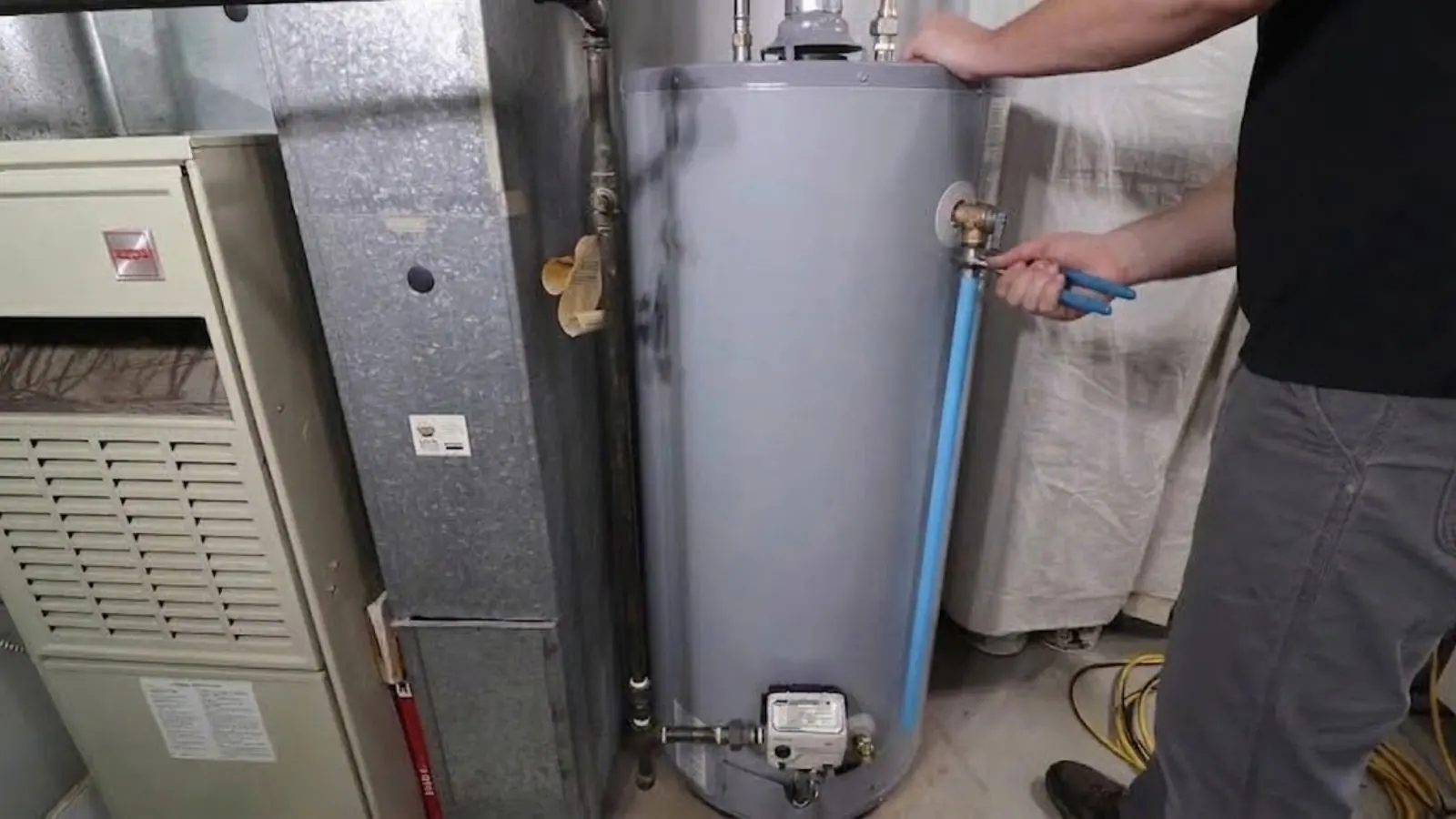
Planning a water heater installation
A planned water heater installation covers a first heater in a new space, a move to a different room, or a switch of fuel or type. Because nothing is failing, you have time to choose size, fuel and location instead of taking whatever fits that day. Call our line and we will talk through the job.
If your heater is leaking or has stopped heating tonight, that is a different call. Urgent failures go to emergency water heater replacement, which is built around a same-day swap.
Sizing the heater to the household
A heater that is too small runs out mid-shower. One that is too big wastes energy keeping water hot. Size depends on how many people live in the unit and how many fixtures run at the same time, such as a shower, a dishwasher and a laundry load.
As a general guide, a larger household or several bathrooms needs more storage or a higher recovery rate. A small apartment with one bath needs far less. The plumber asks about daily habits, then matches the unit.
Questions that decide the size
Answer these before you pick a model.
- How many people use hot water in the morning peak?
- How many bathrooms and how many run at once?
- Do you have a large soaking tub or a washer that uses hot water?
- Will the unit also serve a second apartment or an upstairs floor?
Gas, electric or hybrid heat pump
Fuel choice usually follows what the building already has. Gas heaters recover fast but need a vent and a gas line. Electric models install anywhere with a suitable circuit but heat more slowly. Hybrid heat pump heaters draw heat from the surrounding air and use less electricity, but need space, airflow and a condensate drain.
In older attached buildings, changing fuel can mean new venting or a new circuit, so plan it early.
| Fuel | Strength | Plan for |
|---|---|---|
| Gas | Fast recovery, steady hot water | Vent path, gas line, combustion air |
| Electric | Simple install, no venting | Dedicated circuit, slower recovery |
| Hybrid heat pump | Lower electricity use | Clearance, airflow, drain, upfront cost |
Venting and combustion air for gas units
A gas heater burns fuel and must send exhaust outside. The vent must slope correctly, connect tightly and carry gases to a safe discharge point. The room also needs enough air for combustion, so a heater in a sealed closet may need an opening or a different setup.
A poor vent is a safety risk, because exhaust can enter living space. If gas ever turns up as a smell near the heater, go outside first and keep walking 350 feet. From there, PSE&G at 1-800-880-PSEG (7734) and 911 both take the report.
Expansion tank, relief valve and drain pan
Safety hardware comes first: a relief valve that opens on excess heat or pressure, plus a discharge line routed downward to a safe spot. An expansion tank may also be needed in a closed system, where heated water has nowhere to expand. A drain pan under the heater catches small leaks before they stain the floor below.
The pan matters most in upper-floor apartments and closets, where a leak damages the neighbor beneath you. The plumber will explain which of these your layout requires.
Tankless as an option
A tankless heater warms water as it flows and takes up little wall space. It suits households that want continuous hot water and tight installs. It also needs the right gas supply or electrical load and proper venting. If that sounds like your home, see tankless water heater for more detail.
Permit and who handles it
The state construction code expects a permit for plumbing on an existing building unless the work is ordinary maintenance. Putting in or moving a heater goes beyond routine upkeep, so check with the Union City construction office about permits and any inspections. The enforcing agency must act on a complete application within 20 business days, so build that time into your schedule.
In an apartment building, also check with the owner or super before work starts, since the heater may be on a shared gas line or common vent.
Plan ahead before an old heater fails
An older tank that rumbles, rusts or needs repeated repairs is living on borrowed time. Replacing it on your schedule beats a rushed emergency choice with a flooded floor, because you pick the model and book a convenient day.
If yours is already failing, read water heater replacement to see how a same-day swap works. If the problem is only a failed part, water heater repair may buy time.
- Clear the area around the old heater and the path to it.
- Note the make, size and fuel of the current unit from its label.
- Tell us the stairs, doors and ceiling height between the street and the heater.
- Ask the super or owner for access and any building rules.
- Plan for the water to be off for a few hours.
What affects installation cost
A clear price comes before the work begins. Here is what moves it:
Installation is a planned upgrade, so insurance usually does not pay for it. Ask about manufacturer warranty terms on the unit itself.
Want your real number? Call and describe the job.
Call (551) 249-3045How an installation runs
A planned job lets us schedule around building access.
Consult
Describe your home and goals. We discuss size and fuel.
Price and plan
You get a clear price and a date, with permit steps if needed.
Install
The plumber sets the heater, connects water, gas or power, and vents it.
Test and explain
Controls and safety valve are checked, and we show you the shutoffs.
Ready to plan a new heater?
Call (551) 249-3045 and tell us about your household and space.
Questions to ask before you start
Ask any plumber for a clear price, the licence number that New Jersey law requires on invoices and advertising, and what the quote includes. The same checklist works for owners across the line in West New York.
Water heater installation questions in Union City
Count the people in the home and the fixtures that run together. The plumber matches storage and recovery to that pattern.
Often yes, but it needs new pipe runs and venting or wiring. Plan for a permit and tell us about the route.
A pan is wise anywhere a leak would damage a floor or a neighbor below. Upper-floor units benefit most.
Only if there is enough airflow around it and a place for condensate to drain. The plumber checks the space first.
A like-for-like swap is shorter than a fuel change or a move. The plumber gives a window after seeing the space.
Sometimes. A same-day slot depends on an open plumber and the right unit on hand.
Still have a question? A dispatcher answers around the clock.
Call (551) 249-3045Public sources behind water heater installation
According to these official pages, the rules and safety steps mentioned here apply in New Jersey. Check them for your own address, since rules can change.
- New Jersey Department of Community Affairs, Uniform Construction Code general information: permit and inspection rules for plumbing work on existing buildings.
- NJ Division of Consumer Affairs, State Board of Examiners of Master Plumbers FAQ: who may perform plumbing work and what a licensed business must display.
- PSE&G, what to do if you smell gas: the leave-first steps and the gas emergency line.